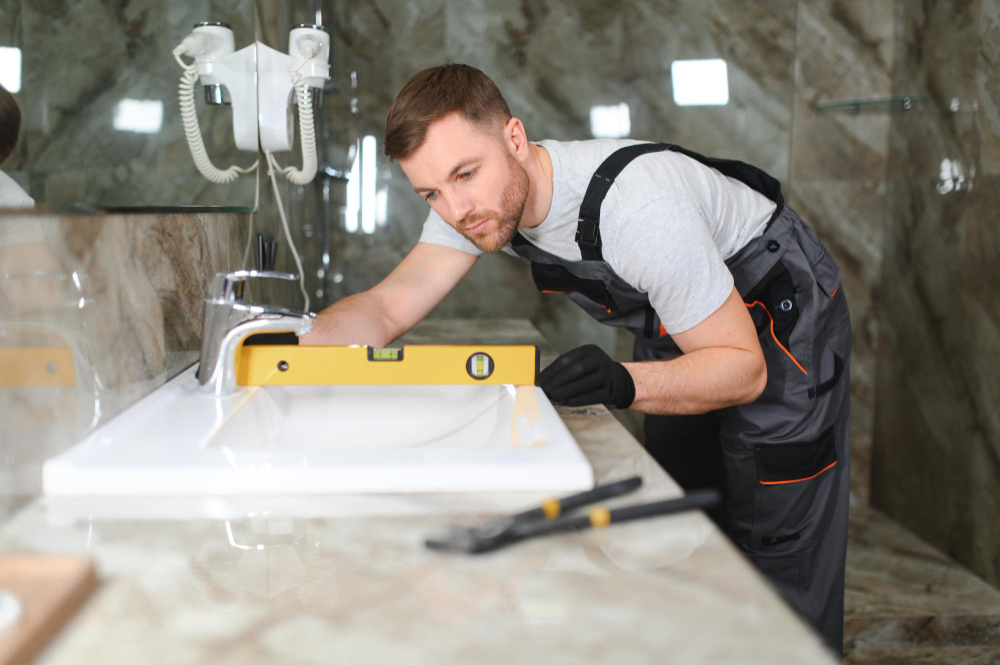

A licensed contractor is legally approved, follows building codes, carries insurance, and provides formal contracts, which ensures safer and more reliable work. An unlicensed contractor, on the other hand, operates without official approval, often skips regulations, lacks insurance, and usually works on informal agreements, which increases the risk of poor quality and financial loss.
This simple difference directly affects your project’s safety, budget, and long term results. Choosing the wrong option can lead to serious issues during and after construction.
Let’s explore in detail why this decision matters so much for every homeowner planning a renovation.
What Does a Licensed General Contractor Actually Mean?
A licensed general contractor is a professional who has met specific requirements set by local regulatory authorities. These requirements usually include:
- Verified construction experience
- Knowledge of building codes and safety standards
- Passing licensing examinations
- Carrying proper insurance coverage
- Following legal and compliance regulations
In simple terms, a licensed contractor is approved to perform construction or renovation work legally and professionally.
This license is not just a formality. It is proof that the contractor has the skills, knowledge, and responsibility needed to manage construction projects safely and correctly.
Who is an Unlicensed Contractor?
An unlicensed contractor is someone offering renovation or construction services without official approval or certification from regulatory bodies.
While they may still have some experience, they do not meet legal requirements to operate as verified professionals. This means:
- No official accountability
- No regulatory oversight
- Limited or no insurance coverage
- No guaranteed compliance with building codes
Many homeowners are drawn to unlicensed contractors because of lower pricing. However, the risk behind those savings is often much higher than expected.
Why Licensing Matters in General Contracting
Licensing is not just paperwork. It directly impacts the quality, safety, and legality of your project.
Here is why it matters:
Licensed contractors are required to follow strict construction codes that ensure structural safety and durability. They are also held accountable by governing bodies, which means poor workmanship can lead to penalties or license suspension.
This level of responsibility is what separates professional contractors from informal workers.
When you hire a licensed contractor, you are not just paying for labor. You are paying for assurance, compliance, and protection.
Key Differences Between Licensed and Unlicensed Contractors
| Factor | Licensed Contractor | Unlicensed Contractor |
| Legal Status | Fully registered and approved | Not legally certified |
| Building Code Compliance | Follows strict regulations | May ignore codes |
| Insurance Coverage | Yes, protects homeowner and worker | Usually none |
| Contracts | Written and formal agreements | Often verbal or unclear |
| Work Quality | Standardized and inspected | Varies, often inconsistent |
| Accountability | Can be reported and regulated | Hard to hold responsible |
| Project Safety | Higher safety standards | Higher risk of errors |
| Long Term Value | Protects property value | May reduce property value |
Risks of Hiring an Unlicensed Contractor
Many homeowners only realize the downsides after it is too late. Some of the most common risks include:
1. Poor Work Quality
Without proper training or oversight, work may not meet safety or construction standards. This can lead to structural issues, leaks, or premature damage.
2. No Legal Protection
If something goes wrong, you may have no legal recourse. Unlicensed contractors are harder to hold accountable.
3. Insurance Issues
If damage or injury occurs on your property, you could be held responsible if the contractor is not insured.
4. Project Delays
Unlicensed contractors may lack proper planning skills, leading to missed deadlines and unfinished work.
5. Hidden Costs
Initial low pricing often leads to unexpected repair costs later due to poor workmanship.
Benefits of Hiring a Licensed Contractor
Licensed contractors offer more than just technical skills. They provide peace of mind.
- Work that meets safety standards
- Legal protection for homeowners
- Insurance coverage for risks
- Clear written contracts
- Accountability if issues occur
- Better long term durability
This makes them a safer and more reliable choice for any renovation project.
How Licensing Protects Your Investment
Home renovation is a major financial commitment. Whether it is a kitchen remodel, basement finishing, or full home renovation, the quality of work directly impacts property value.
Licensed contractors help protect this investment by ensuring:
- Structural integrity is maintained
- Materials are used correctly
- Work meets inspection standards
- Future resale value is preserved
In contrast, unlicensed work can reduce property value due to poor finishing or failed inspections.
When Homeowners Are Most at Risk
Homeowners are especially vulnerable in situations like:
- Tight renovation budgets
- Urgent repair needs
- Lack of construction knowledge
- Reliance on verbal agreements
- No proper contract documentation
These situations often lead to hiring the cheapest option instead of the safest one.
How to Verify a Licensed Contractor
Before hiring any contractor, it is important to verify their credentials. You can:
- Ask for their license number
- Check with local regulatory authorities
- Review past project work
- Confirm insurance coverage
- Read client reviews and testimonials
Taking these steps helps reduce risk and ensures you are hiring a qualified professional.
Why Choosing the Right Contractor Builds Long Term Value
A successful renovation is not just about finishing the project. It is about how well it holds up over time.
Licensed contractors focus on long term performance rather than short term fixes. This means fewer repairs, better durability, and stronger structural integrity.
Unlicensed work may look fine initially, but often leads to hidden issues that become expensive over time.
About EZ2Reno | Licensed General Contractor Services You Can Trust
EZ2Reno provides professional licensed general contractor services focused on delivering reliable, high quality home renovation solutions. We work with homeowners who want safe, well planned, and long lasting results for their renovation projects. From small upgrades to full home remodeling, our services are designed to handle every stage with care and precision.
Our team follows modern construction standards and proper building practices to ensure every project is completed with accuracy and attention to detail. We focus on clear communication, quality workmanship, and a smooth renovation experience from start to finish.
At EZ2Reno, our goal is to make home renovation simple, stress free, and dependable. You can explore our services, check our work, and contact us anytime to get started with your next home improvement project.
Final Thoughts
The choice between a licensed and unlicensed general contractor is not just about cost. It is about safety, quality, accountability, and long term value.
While unlicensed contractors may seem affordable at first, the risks often outweigh the savings. Licensed contractors provide structure, protection, and peace of mind that your project will be completed properly.
For any renovation project, choosing the right contractor is the foundation of success. And that decision always starts with licensing.
At EZ2Reno, we believe every homeowner deserves reliable workmanship they can trust, from start to finish.
FAQs
1. What is the main difference between a licensed and unlicensed general contractor?
A licensed contractor is officially approved, follows building codes, and carries insurance, while an unlicensed contractor operates without legal certification and may not follow proper construction standards.
2. Is it cheaper to hire an unlicensed contractor?
Yes, unlicensed contractors often charge less, but the lower cost usually comes with higher risks like poor workmanship, no insurance, and potential extra repair costs later.
3. Why is hiring a licensed contractor safer?
Licensed contractors follow safety regulations and building codes, which reduces the risk of structural issues, accidents, and legal problems during or after the project.
4. Can unlicensed contractors affect my property value?
Yes, poor quality or non compliant work from unlicensed contractors can lower your property value and may cause issues during inspection or resale.
5. How do I verify if a contractor is licensed?
You can ask for their license number and verify it through local construction or licensing authorities before hiring them.
6. What happens if a contractor is not licensed but does good work?
Even if the work looks good, unlicensed contractors still pose legal and safety risks because they are not accountable under official regulations or insurance systems.
7. Do licensed contractors always guarantee perfect work?
Licensed contractors do not guarantee perfection, but they do ensure regulated standards, accountability, and safer construction practices compared to unlicensed workers.